How to Use China Metro Systems Without Making the Travel Day Stressful
Metro systems in Chinese cities can be fast, clean, and useful for international visitors. They can also feel confusing on the first day if travelers treat them like a simple point-to-point ride. The train ride may be short, but the full metro experience includes station entrances, ticket or QR-code access, security checks, transfer corridors, platform signs, exit numbers, and the walk after leaving the station.
A good metro plan does not need to be complicated. It simply needs to account for the parts of the journey before and after the train. When that is done well, the metro can support a travel day instead of adding stress to it.
Plan the exit, not only the station
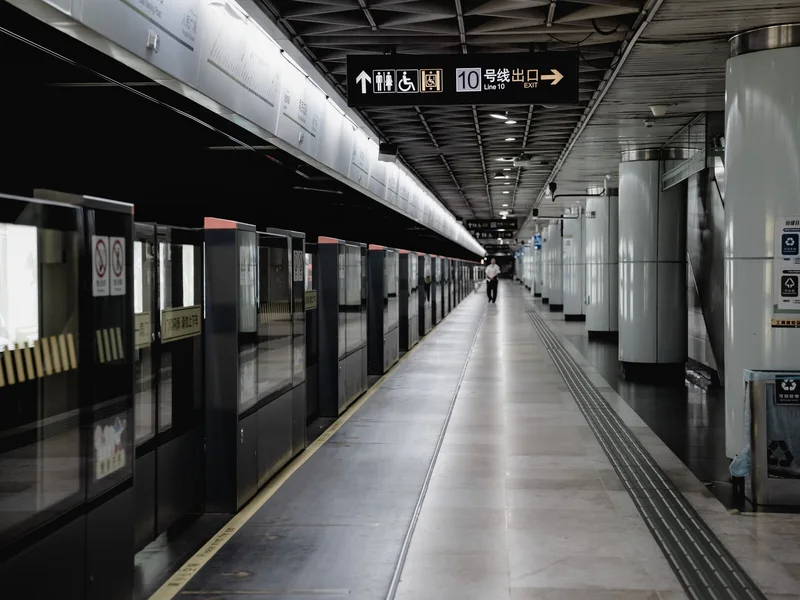
Many metro stations in China have several exits, and the wrong exit can add a long walk, a road crossing, or confusion at street level. When planning a route, check the exit number or nearby landmark, not just the station name. This is especially important for museums, old streets, shopping areas, hotel districts, large parks, and big transport hubs.
If the group is meeting a guide, driver, friend, or local contact after using the metro, confirm the meeting side of the station before departure. A station name alone may not be enough. The group should know whether to leave from Exit A, Exit 3, a specific mall entrance, or a particular road side.
This is a useful habit to include in a simple evening checklist for smoother China travel days. Checking tomorrow's metro exit the night before can prevent a rushed decision at the gate.
Leave time for security and walking
Metro security checks are normal in many Chinese cities. They are usually quick, but they still add a step. Large stations may also involve long corridors, stairs, escalators, transfer halls, and a final walk after the exit. A route that looks like twenty minutes on a map may take longer for a first-time visitor.
Do not plan metro time as only the time inside the train. Add the walk to the station, the security check, platform waiting time, transfer movement, and the walk from the final exit to the destination. This matters more when the group has timed tickets, a restaurant reservation, a driver pickup, or a train departure later in the day.
Avoid rush hour when comfort matters
Rush hour can make the metro feel very different. Platforms may be crowded, trains may be full, and moving as a family or group can become harder. Travelers with large bags, children, older family members, or low tolerance for crowds should be careful about relying on the metro during the busiest commuting periods.
Sometimes the best solution is not to avoid the metro completely. It may be enough to leave earlier, wait until the rush passes, choose a shorter metro segment, or use a car for one part of the day. The goal is to match the transport choice to the group's comfort, not to prove that the metro can technically work.
Keep the day bag practical
A metro day is easier when the day bag is compact. Large backpacks, loose straps, open side pockets, and too many separate items can be awkward in crowded carriages and transfer corridors. Travelers should keep passports, phone, payment backup, medicine, and hotel address notes secure but reachable.
Do not keep the only working phone, all payment methods, and every important document in a bag that is difficult to manage. The more crowded the station, the more important it is to know exactly where the essentials are.
For a practical base list, what to keep in your day bag during a China trip explains how to keep documents, phone power, payment backup, medicine, and support details close without overloading the bag.
Think about weather before choosing the metro
The metro can be a good choice on rainy, hot, or cold days because it reduces time outdoors. But weather still matters. The walk to the entrance, the walk after the exit, wet pavements, crowded shelter areas, and umbrella management can all slow the group down.
On rainy days, the nearest exit may not be the best exit if it leaves the group with a longer exposed walk. On very hot days, a route with less outdoor walking may be better even if the metro ride itself is a little longer. On cold evenings, staying underground longer may make the trip more comfortable.
This connects with how to plan around weather on a China travel day. Transport choices should change when weather changes the walking part of the route.
Do not let meals depend on a perfect transfer
Metro routes are often used between morning sightseeing, lunch, afternoon activities, and evening plans. If lunch depends on making a transfer perfectly, finding the right exit immediately, and walking straight to a restaurant without delay, the plan may be too tight.
Keep a simple backup: eat near the current area, choose a restaurant near the final exit, carry a small snack, or move the meal later if the group is still comfortable. A metro delay may be minor, but hunger can make a minor delay feel much larger.
The planning logic is simple: meals should support the route, not depend on every transport step going perfectly.
Watch transfer complexity
A route with one simple transfer may be fine. A route with several transfers, long corridors, and unfamiliar station names may be less useful than it looks. First-time visitors should compare the whole journey, not just the fare or train time.
If the group is tired, carrying bags, traveling with children, or trying to reach a timed entry, fewer transfers may be worth a slightly longer ride or a short car segment. The simplest route is often the better travel route, even if it is not the fastest route on paper.
Know when another option is better
The metro is useful, but it is not always the right answer. A taxi, ride-hailing car, private transfer, walking route, or guided pickup may be better when the group has luggage, poor weather, limited time, a difficult meeting point, or travelers who are already tired.
Changing transport is not a failure. It is part of matching the day to the real situation. If a metro route starts to make the plan feel rushed or uncomfortable, the group should be willing to simplify.
When deciding whether to keep or change a route, how to decide whether to adjust tomorrow's China itinerary offers a useful way to protect the main purpose of the day instead of defending every planned detail.
Keep the route visible offline
Before entering the station, save the station name, transfer line, final station, exit number, and destination address somewhere easy to view. This can be a screenshot, note, or saved map. If mobile data becomes slow underground or the group gets separated briefly, the route should still be understandable.
For groups, at least two people should know the route. One traveler should not be the only person with the station names, exit, and destination address. This small habit makes the metro much calmer when the station is busy.
Bottom line
China metro systems can be one of the easiest ways to move around a city, but only when travelers plan the full journey. Check the exit, leave time for security and walking, avoid rush hour when comfort matters, keep the day bag compact, and choose another option when weather, luggage, or group energy makes the metro less practical.
Used this way, the metro becomes a useful part of the day rather than another thing the group has to solve under pressure.


Comments
Post a Comment