How to Pace a Full Day of Walking During a China Trip
A China travel day can look manageable on a map and still become tiring in practice. A route may include a large attraction, a metro transfer, a historic street, a viewpoint, a restaurant, and a hotel that all appear close together. What the map does not show is the walk from the station exit, the length of a security queue, the stairs inside an older site, the time spent looking for shade, and the energy used simply by navigating somewhere unfamiliar.
A comfortable walking day is not about avoiding walking. It is about matching the route to the group, protecting the important stops, and leaving enough capacity to enjoy the final part of the day rather than merely finish it.
Plan by effort, not only by distance
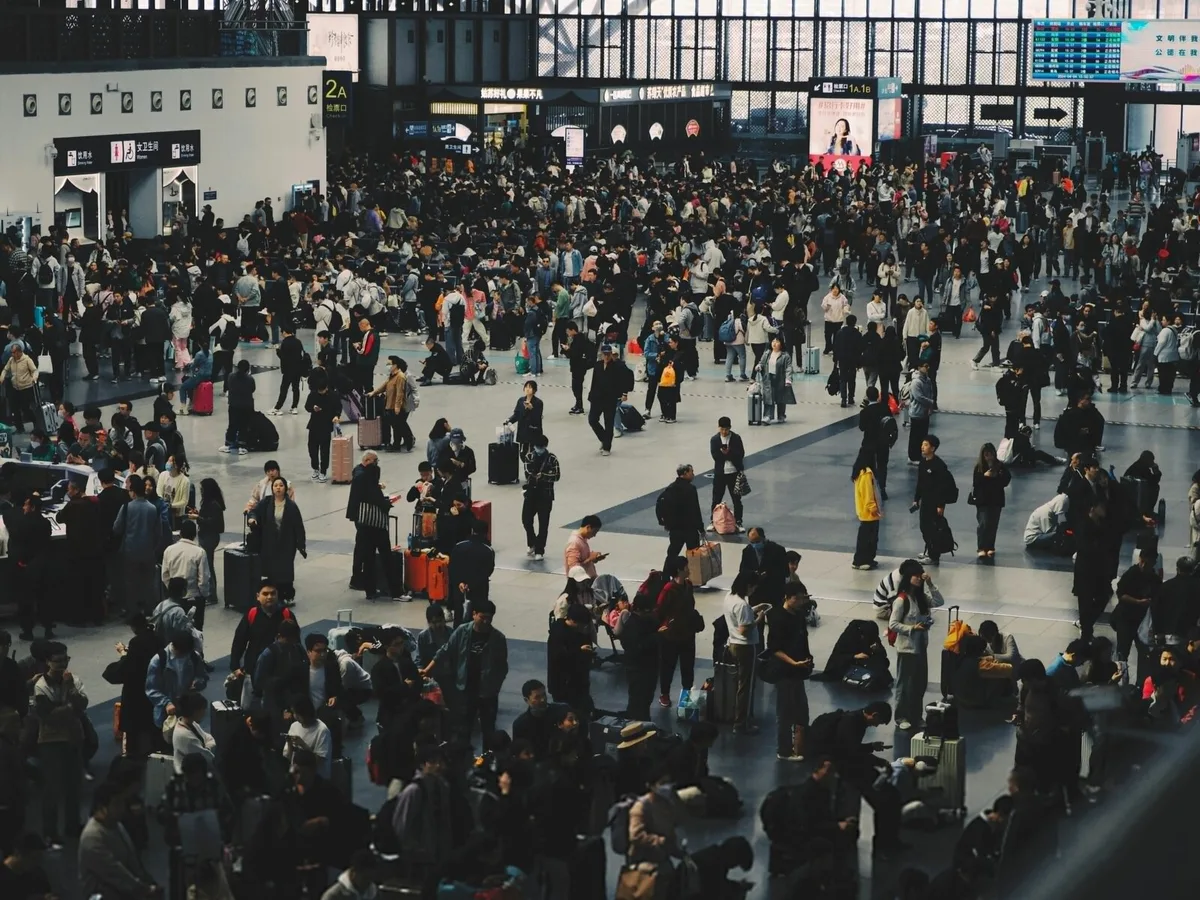
Two kilometers on a flat neighborhood street is different from two kilometers through a large station, up a hill, across an attraction complex, or in humid weather. A day with several short walking segments can feel harder than one longer, direct route because each segment involves finding an exit, crossing roads, checking directions, and getting the group moving again.
When reviewing an itinerary, look for effort multipliers: stairs, slopes, uneven surfaces, long entrance walks, large museums, crowded pedestrian zones, heat, rain, luggage, children, and a group with mixed mobility. Put the most demanding section at the time of day when the group will have the most energy.
Jiangmi Travel's guide to walking distances, stairs, and rest breaks during China travel offers a practical way to assess those less obvious parts of a route before the day begins.
Choose one anchor activity for each part of the day
It is tempting to combine several famous places because they appear in the same district. Instead, choose one anchor activity for the morning and one for the afternoon or evening. Everything else should be flexible: a nearby street, a small stop that can be skipped, a meal choice, or a simple walk back to the hotel.
This creates a clear answer when the day runs late. The group does not have to debate whether the whole plan has failed; it simply drops the optional part and protects the main experience. A shorter, calmer route is usually more memorable than an itinerary completed at a sprint.
That is the same logic behind building buffer time into a China itinerary. The free space is not empty time. It is what allows a walking day to absorb a queue, a wrong turn, a restroom break, or a change in group energy.
Put real breaks on the schedule
A useful break is more than standing still while someone checks a phone. Plan one seated stop after a major attraction, one water or coffee stop during the warmest part of the day, and a meal that does not require another long walk. For travelers who tire easily, a short break before fatigue becomes obvious is more effective than a long break after the group has already reached its limit.
Breaks also create natural decision points. After a meal or a café stop, the group can check the weather, foot comfort, transport time, and remaining energy before committing to the next section.
Keep meals close to the route
Food can restore a walking day, but it can also quietly extend it. A restaurant that requires a thirty-minute detour, a queue, and another walk back may use the energy that was supposed to support the afternoon. When the day already includes a major amount of walking, select meals that are near the anchor activity or close to the next transport step.
Carry water and a small snack when appropriate, especially when meal timing is uncertain. The practical habits in keeping meals from disrupting a China travel day help prevent a hunger stop from turning into a schedule problem.
Use transport to protect the right part of the day
Walking is not automatically better than taking a short ride. If a taxi, ride-hailing trip, or one-stop metro ride preserves energy for a historic district, museum, evening river walk, or dinner reservation, it may be the better choice. The goal is not to maximize steps. It is to make the day feel coherent.
Save the walking effort for the places where being on foot actually improves the experience. Use transport for long connectors, complicated station approaches, tired return journeys, or sections exposed to difficult weather.
Let weather change the route early
Heat, rain, wind, and poor visibility change more than comfort. They change walking speed, the availability of shade, the usefulness of an outdoor viewpoint, and the value of a second attraction. Check the forecast before leaving the hotel and again at the first major break. If conditions are worsening, switch to a shorter route, an indoor option, or an earlier return.
For a broader backup-plan approach, Jiangmi Travel's guide to planning around weather during a China trip covers how weather can affect reservations, timing, transport, and daily pace.
Our earlier post on planning around weather on a China travel day is a useful companion when deciding whether to move, shorten, or replace an outdoor stop.
Make footwear and day bags support the route
Good shoes do not make a poor route comfortable, but they give the traveler more flexibility. Wear footwear already tested for a full day, use socks that do not create friction, and avoid carrying a day bag that becomes noticeably heavier after lunch. Keep water, a light layer, medication, tissues, phone power, and any needed documents accessible without unpacking the whole bag.
If the group includes someone who needs more frequent rests, decide that openly before the day starts. Building rest into the plan is ordinary travel planning, not a limitation that needs to be hidden until the route becomes difficult.
Finish with an easy exit
The end of the day deserves as much planning as the first stop. After several hours of walking, travelers are less patient with an unclear station exit, a long hotel approach, or a restaurant that requires another complex transfer. Keep the final destination straightforward and leave enough time to get there without rushing.
When possible, end near the hotel, a direct transport connection, or a simple evening meal. That gives the group a clean stopping point and makes the next day easier to start.
Bottom line
A full day of walking in China feels better when it is planned around effort, not just distance. Choose a small number of anchor activities, build breaks and meals close to the route, use transport strategically, and let weather or fatigue change the optional parts of the plan.
The best walking day leaves travelers with enough energy to remember what they saw, not only how far they went.


Comments
Post a Comment