How to Keep Your Phone Useful Through a Full China Travel Day
For many international visitors, the phone becomes the most important travel tool in China. It may hold payment apps, hotel addresses, train details, metro routes, translation, maps, driver messages, guide contacts, restaurant notes, and emergency information. When the phone works well, the day feels easier. When the battery drops or the signal becomes unreliable, small problems can become stressful very quickly.
The answer is not to carry every possible device or backup. It is to make the phone useful for the whole travel day: charged, organized, easy to access, and supported by a few simple offline notes. This matters most on days with transport, long walking, weather changes, large stations, or several separate activities.
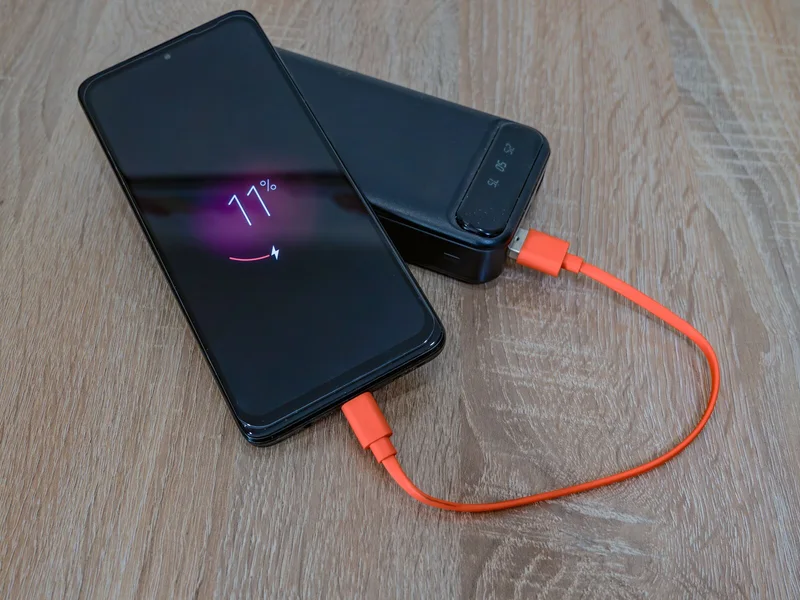
Start the day with a full battery
This sounds obvious, but it is one of the easiest habits to miss. Travelers may charge the phone overnight, then use maps, messages, photos, payment apps, and translation heavily before lunch. By mid-afternoon, the phone may already be below a comfortable level.
Before leaving the hotel, check the battery level, the charging cable, and whether the power bank is charged. If the day includes a train, metro transfers, a long attraction visit, or an evening return, treat phone power as part of the route plan, not just a device detail.
For more practical preparation around power banks, charging habits, and travel-day battery planning, see Jiangmi Travel's guide to power bank and phone charging tips for China travel.
Do not rely on one app for everything
A phone can hold many useful tools, but travelers should avoid putting every important detail inside one app. If a map app is slow, a payment app asks for verification, a messaging app has poor signal, or a booking confirmation is hard to find, the group should still be able to move forward.
Keep the most important details in simple formats: screenshots, notes, saved addresses, and one small folder of travel information. These should include the hotel name and address in Chinese, major transport details, today's meeting point, and a support contact if one exists.
This is why it helps to prepare a small offline set before the trip. Jiangmi Travel's guide on what to save offline before traveling to China covers the kind of details that should remain usable even when mobile data is not perfect.
Keep phone power in the day bag
A charging cable is not useful if it is buried in a suitcase, left in the hotel, or packed in a bag that is stored away during a train ride. On a busy travel day, the power bank and cable should stay in the day bag, where they can be reached without unpacking everything.
The cable should also be the correct one. Many travelers carry several cables but only one that actually fits the phone or power bank. Before leaving, test the cable briefly if there is any doubt. A charged power bank with the wrong cable does not solve the problem.
This fits naturally with what to keep in your day bag during a China trip. Phone power belongs with passports, payment backup, medicine, weather items, and the details needed before returning to the hotel.
Save the address before you need it
Hotel addresses, station names, attraction names, restaurant locations, and meeting points are easier to save calmly before the day starts. They are harder to search for when the group is standing outside a station, trying to find the right pickup point, or dealing with rain, heat, or crowds.
For each travel day, save the destination name and address in a form that can be shown to a driver, hotel staff, guide, or local helper. If the address is in Chinese, it is usually more useful. If there is a specific entrance or exit, include that detail too.
Make metro and station routes visible
Metro routes and station transfers can be simple, but they should not depend entirely on live signal. Save the line, transfer station, final station, and exit number before entering the station. Underground signal can vary, and large stations can make route-checking feel rushed.
If more than one person is traveling, at least two people should know the route. One phone should not be the only copy of the plan. This is especially important when the group is moving through busy platforms, long transfer corridors, or unfamiliar exits.
For a transport-focused example, how to use China metro systems without making the travel day stressful explains why exits, transfer time, and route visibility matter as much as the train ride itself.
Protect payment access
Mobile payment is convenient in China, but travelers should not assume the phone will always be at full power when payment is needed. A low battery can affect meals, transport, small purchases, and last-minute changes. Keeping the phone charged is therefore part of payment planning.
It is also sensible to keep one payment backup separate from the phone, such as a physical card or small amount of cash where appropriate. The backup does not need to be used often. It simply prevents the whole day from depending on one phone, one app, and one battery.
Use photos and translation carefully
Photos, video, maps, and translation tools can use a lot of battery. Travelers do not need to avoid them, but they should be aware of how quickly heavy phone use adds up. If the group plans a long day, it may be better to take fewer unnecessary videos early, lower screen brightness when possible, and charge during natural breaks.
Translation screenshots can also be useful. For dietary needs, hotel names, medical notes, or special instructions, a saved screenshot may work faster than opening a translation app in a noisy or low-signal setting.
Use breaks to reset the phone
Meal breaks, cafe stops, train rides, hotel returns, and quiet waiting periods are good moments to reset the phone situation. Check battery, confirm the next address, review the route, and make sure the power bank is still available. A two-minute check can prevent a late-day problem.
This habit also helps when the weather or timing changes. If rain, heat, fatigue, or transport pressure affects the plan, the phone should already have enough power and information to support the adjustment.
Our post on how to plan around weather on a China travel day is relevant here because weather often increases phone use: checking routes, messaging drivers, looking for indoor stops, and changing pickup plans.
Know what to do if the phone fails
Even with good planning, a phone can run out of power, lose signal, freeze, or become difficult to use. The group should know the basic backup plan. That may include a second traveler's phone, a saved hotel card, a written address, a guide or driver contact saved in another phone, or a simple meeting point if people are briefly separated.
This backup plan should be simple enough to remember. If it requires opening several apps or searching through a messy folder, it may not help when the group is already under pressure.
Bottom line
A phone is useful in China because it supports payment, maps, addresses, translation, transport, photos, and communication. But it only supports the day if it has power, the right cable, offline notes, and a few backup habits.
Start the day charged, keep the power bank in the day bag, save key details before you need them, and share the most important route information with another traveler. Those small habits make the phone a reliable travel tool instead of a single point of stress.


Comments
Post a Comment