How to Make the First Hour After Landing in China Easier
The first hour after landing in China is not the time to make every decision from scratch. Travelers may be tired, carrying luggage, moving through an unfamiliar airport, and trying to connect several pieces of information at once: passport, arrival procedures, phone access, hotel address, transport, payment, and a meeting point. A few simple preparations turn this part of the trip from a sequence of small uncertainties into a clear route.
The aim is not to rush through the airport. It is to know the next one or two steps at every point: where the documents are, who is meeting the traveler or how the transfer will work, where the luggage is going, and what to do if a detail changes.
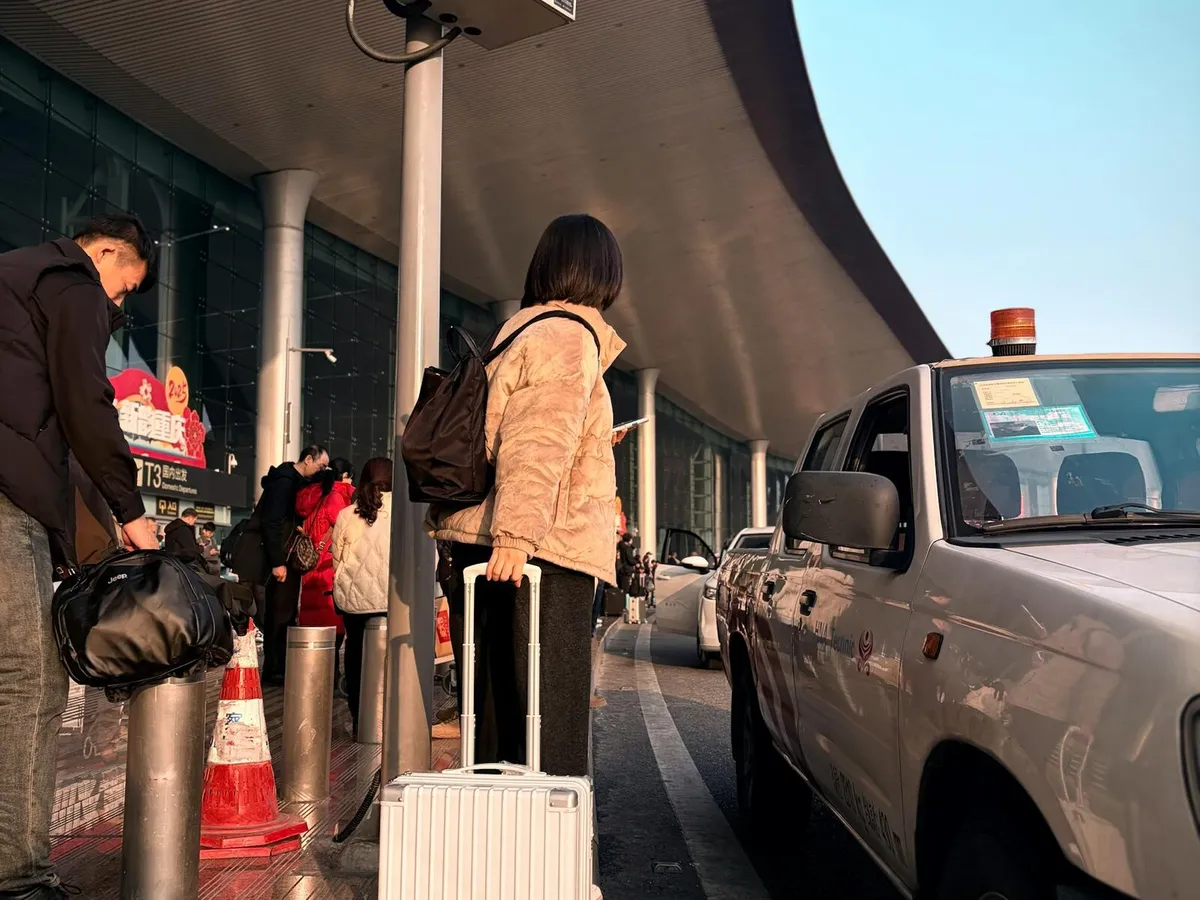
Keep the arrival essentials together before the plane lands
Before arrival, place the items likely to be needed first in one known location: passport, any required travel documents, phone, charging cable or power bank, hotel details, transfer confirmation, and a small payment backup. Do not bury these inside checked luggage or under several layers of items in a day bag.
When traveling as a group, each person should know where their own passport is. One traveler can hold a copy of the overall plan, but the whole group should not depend on one phone or one pouch for every document. This reduces the chance that a simple search delays the entire arrival process.
Do not assume the closest airport is automatically the easiest choice
For a first China trip, the arrival airport affects more than the flight price. It can change the transfer length, late-night transport options, hotel area, onward train connection, and the amount of energy left for the first evening. An airport that appears close to the city on a map may still create a long or complicated ground transfer.
Before booking, compare the airport with the first night's hotel, the next day's plan, and the expected landing time. Jiangmi Travel's guide to choosing the right China arrival airport for a first trip explains the practical tradeoffs that are easy to miss when looking only at airfare.
Turn on the phone only after the next move is clear
After arrival, travelers often open several apps at once: messages, maps, payment tools, hotel bookings, and ride services. That can make a low battery or weak connection feel more urgent than it is. Start with the immediate priority: confirm the next meeting point or transport instruction, then check the hotel address and phone access.
Keep the important information in forms that do not require searching through old messages. Offline screenshots, saved notes, and clear labels for the current hotel and pickup point are more useful than a long message thread. The preparation habits in keeping your phone useful through a full China travel day are especially valuable when the trip has just begun.
Have a precise meeting point, not only a general promise
“Meet outside” is rarely enough at a large airport. Arrival halls, exits, pickup zones, parking areas, transport floors, and terminals can all have similar names. If a driver, guide, or travel companion is meeting the traveler, confirm the terminal, exit or door number, floor, and how to recognize each other before landing when possible.
If the meeting point changes, send one simple update that includes the new location and a recognizable marker. Do not rely only on a vague map pin. A short written description helps when signal, app behavior, or airport layout causes confusion.
For travelers using local help at the airport, Jiangmi Travel's overview of China airport arrival support for first-time visitors covers the practical role of a clear handoff, luggage, communication, and onward transfer planning.
Collect luggage with the next transfer in mind
Once bags arrive, pause briefly before moving on. Check the number of pieces, tags, handles, and any obvious damage while the baggage area is still close. Put passports, phone, wallet, and the transfer instruction back in their known places before lifting suitcases toward the next exit.
Travelers who are changing terminals, taking a train, or moving directly to another city should avoid assuming that the airport arrival layout ends at baggage collection. Confirm where the next transport begins and how much time the luggage movement will take.
Keep the hotel address ready in Chinese
The hotel address should be ready before a traveler enters a taxi, ride-hailing pickup, or transfer vehicle. Keep the Chinese hotel name and full address together in a large, easy-to-show format. If the driver needs a specific drop-off point, have that detail visible too.
This avoids a common first-day problem: the traveler has the booking but not a clean version of the destination that can be shown or copied quickly. Our post on preparing Chinese address cards for daily travel explains a simple way to keep the hotel, station, and pickup information usable even without a perfect connection.
Let the first activity be flexible
After a long flight, a tightly timed sightseeing plan can be less enjoyable than expected. Immigration, luggage, transfer traffic, room availability, weather, and fatigue all affect the actual arrival time. Keep the first activity easy to shorten, move, or skip: a nearby meal, a short neighborhood walk, a hotel rest, or an early dinner.
Protect the practical parts of the day first: hotel check-in, food, hydration, phone power, and sleep. The city will still be there after a reset, and the next day will be better when the arrival evening does not become a race against a schedule.
For the hotel side of that transition, handling hotel check-in and luggage gaps on a China arrival day has useful guidance on room timing, stored luggage, and flexible first-day plans.
Have a calm backup for changes
Flights can arrive late, baggage can take longer than expected, and an arranged vehicle can be delayed. A good backup is usually simple: keep the hotel contact, address, and a second transport option available; tell the relevant person when the landing time changes; and avoid cancelling or rerouting everything before the situation is clear.
One calm message with the flight status, current location, and next expected step is more useful than several partial messages sent while moving through the terminal.
Bottom line
The first hour after landing in China becomes much easier when the first decisions have already been made. Keep documents and phone power accessible, know the pickup or transfer point, save the hotel address in Chinese, check luggage before leaving the airport, and keep the first activity flexible.
Those habits give travelers a clear path from the arrival hall to the first hotel without turning the beginning of the trip into its most complicated moment.


Comments
Post a Comment