How to Plan Popular Sights During a China Public Holiday
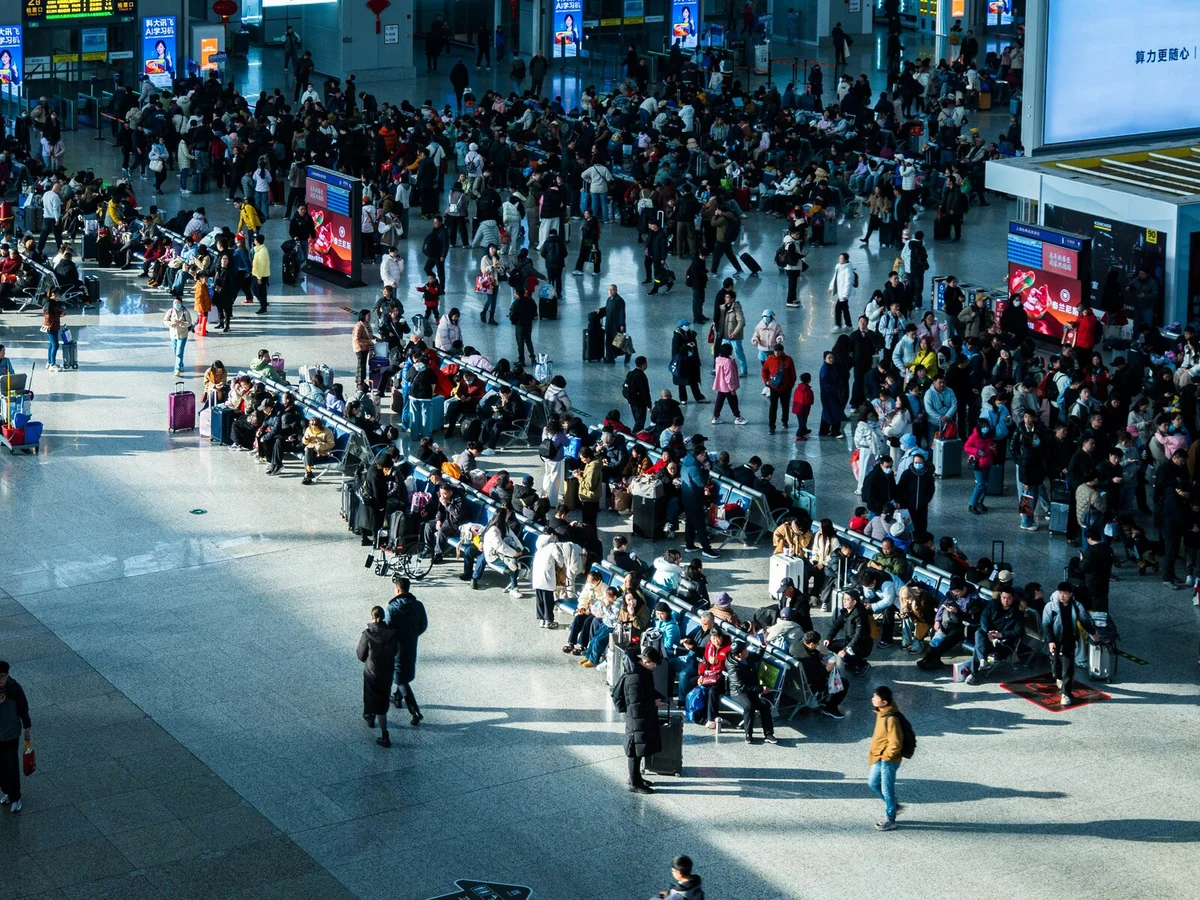
China public holidays can make a familiar travel day behave differently. A museum that feels manageable on an ordinary weekday may require an earlier reservation, a longer entrance queue, more time at security, and a slower exit. Metro platforms, railway stations, restaurants, and popular pedestrian areas may all become busier at the same time.
The best response is not to try to do more in less time. It is to protect the one or two experiences that matter most, make the entry process predictable, and leave the rest of the day flexible enough to absorb crowds, weather, and changes in energy.
Choose one priority sight for each half of the day
On a busy holiday, a long list of attractions can create a day spent mostly in transit and queues. Start by choosing one anchor sight for the morning and one for the afternoon or evening. The rest of the plan should consist of nearby, optional stops that are easy to shorten or skip.
This gives the group a simple rule when the first activity takes longer than expected: protect the priority sight, then remove the lowest-value extra. A street walk, small shop, second museum, or distant restaurant should not make the whole day feel like it has failed when the holiday crowd changes the pace.
Reserve first, then build the route around the time slot
For popular museums and attractions, the reservation time is often the structure of the day. Do not treat it as one small detail inside a broad sightseeing plan. Work backward from the entry window: decide when to leave the hotel, how long the transport may take, where the correct entrance is, how much time is needed for security and identity checks, and when the group should have a meal.
Keep the reservation confirmation, passport details where relevant, and the venue name in Chinese easy to reach. Jiangmi Travel's guide to planning museum and popular attraction visits in China covers the practical role of time slots, reservations, entry rules, and backup planning.
Arrive for the entry system, not only the attraction
A timed ticket may still involve an entrance search, a queue, a bag scan, an identity check, a restroom stop, and a walk through the grounds before the main visit starts. Travelers who arrive exactly at the listed time can feel rushed even when the reservation is valid.
Plan to reach the entry area early enough to move through the full system without pressure. Keep the day bag simple, place power banks and documents where they can be reached, and avoid packing extra items that may slow a check. The practical routine in getting through security checks without slowing down a China travel day is especially useful on crowded attraction days.
Keep transport choices reversible
Holiday traffic and crowding can make a route that looked straightforward less reliable. Rather than committing to several fixed transfers, choose a route with alternatives: a metro option, a taxi or ride-hailing option, a walkable meal nearby, or a second entrance or meeting point when the venue provides one.
Check the next move while leaving the current attraction, not only after the group is already outside. That is the best time to decide whether the next stop is still worthwhile, whether the weather is changing, and whether a direct ride would protect the evening plan.
Use meals as recovery points, not another mission
During a holiday, popular restaurants may also have waits. Build meals close to the priority sight or along the next transport route. A meal should give the group a chance to sit, hydrate, check the remaining schedule, and decide whether the afternoon needs to be lighter.
Keep a small snack and water available when the timing is uncertain, but do not turn the whole day into a search for a perfect restaurant. A reliable nearby meal often preserves more of the trip than a long detour to a famous place.
Let crowd levels change the walking plan
Holiday crowds make distances feel longer. A route that normally takes twenty minutes can take much more time through a dense pedestrian street, a large station, or an attraction exit. Stairs, heat, rain, and people moving at different speeds add to the effort.
Protect the group's energy by choosing one longer walk that is actually enjoyable and using transport for the connectors. The ideas in pacing a full day of walking during a China trip help make the route realistic when crowding changes the physical effort.
Build a real backup, not a second full itinerary
A useful holiday backup is a lighter alternative near the same area: a smaller museum, a café, a local market, a riverside route, an earlier hotel break, or an evening activity that does not require a reservation. It should be easy to choose after seeing the real crowd conditions.
Avoid trying to reserve a complete second day as insurance. That creates another set of fixed commitments. Instead, keep the backup open enough to support the group if an entry line, weather event, or transport delay makes the original timing less enjoyable.
Our earlier post on building buffer time into a China itinerary explains why small, unassigned windows are valuable rather than wasted, particularly on days with timed entries and busy movement.
Check the public-holiday effect before confirming the day
Holiday travel conditions affect more than attractions. They can change hotel availability, rail demand, operating hours, road traffic, reservation pressure, and the pace of a simple transfer. Before committing to the day, check what is fixed, what needs booking, and which stop can be moved if conditions are heavier than expected.
Jiangmi Travel's guide to how China public holidays affect travel plans provides a broader framework for making reservations, transport, and daily timing more realistic.
Bottom line
A public-holiday sightseeing day works best when it is planned around one or two priorities, not a packed list. Reserve important entries first, arrive early enough for the full entry process, keep food and transport close to the route, and let the optional stops remain optional.
With a realistic pace and a simple backup, busy days can still feel like travel rather than a race through queues.


Comments
Post a Comment